
What are the signs your parents need home care service?
4/9/20262 min read
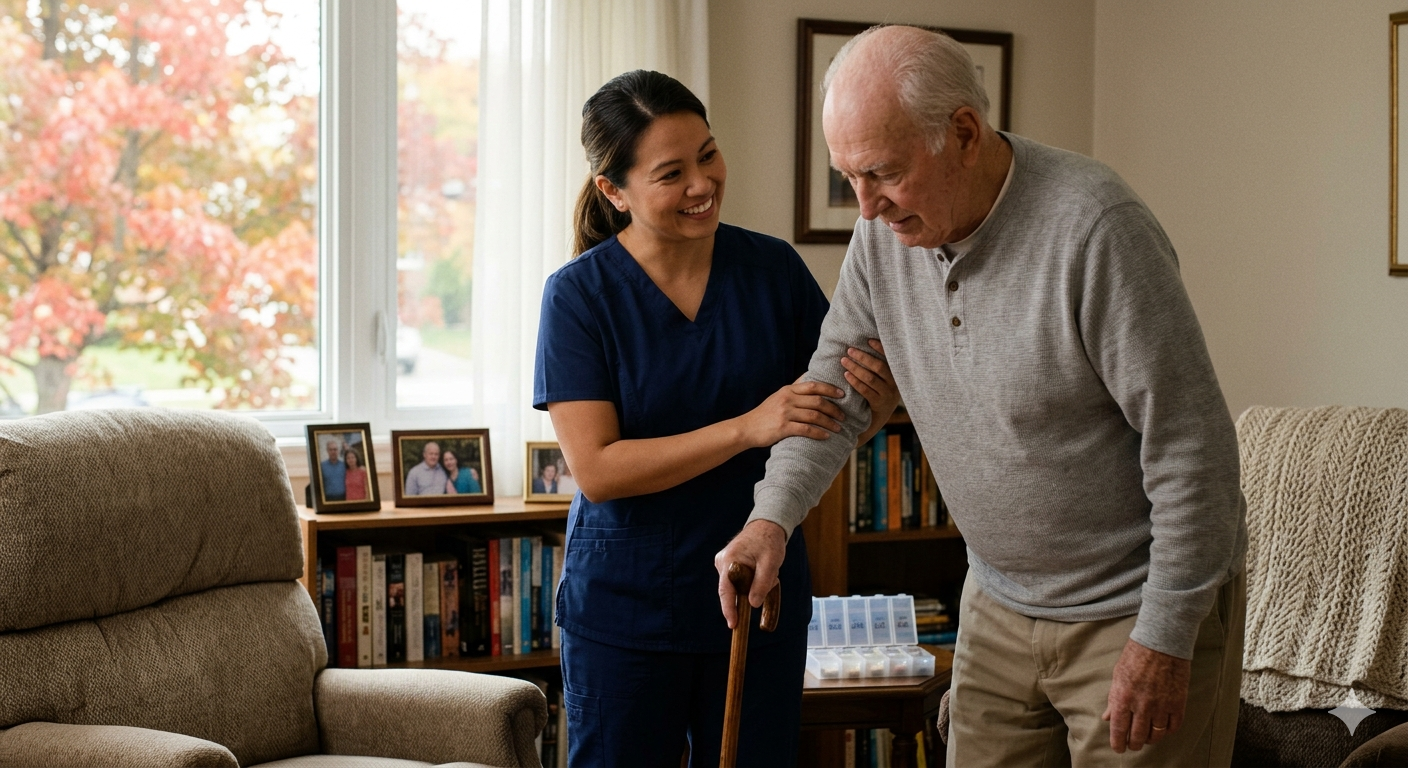

Watching a parent age is a journey filled with subtle shifts. In Ontario, where our healthcare landscape offers both public support through Ontario Health atHome and a robust private home care sector, knowing when to step in is key to preserving your parent's independence.
Often, the signs aren't dramatic—they are "quiet" changes in routine. Here are the three primary indicators that it’s time to consider professional home care for your loved one.
The "Fridge and Floor" Test: Neglected Living Space
In Ontario’s climate, home maintenance can be physically demanding. If you notice a sudden decline in the cleanliness or safety of your parent’s home, it is often a physical or cognitive red flag.
What to look for: Expired or "science project" food in the refrigerator, stacks of unopened mail, or a laundry pile that never seems to shrink.
The Safety Factor: Pay close attention to "clutter creep." In Ontario, falls are the leading cause of injury-related hospitalizations for seniors. If the home is becoming difficult to navigate due to messes, the risk of a fall increases exponentially.
How Home Care Helps: Light housekeeping and meal preparation are core services. A caregiver can ensure the fridge is stocked with nutritious food and the hallways are clear of tripping hazards.
Changes in Personal Grooming and Hygiene
If your parent—who was always meticulous about their appearance—begins wearing the same clothes for several days or has a noticeable "unwashed" odor, they may be struggling with Activities of Daily Living (ADLs).
Why it happens: It isn't always forgetfulness. Often, the physical act of getting in and out of a bathtub or the fear of slipping on wet tiles becomes so daunting that the senior simply begins to avoid it.
The Red Flag: Greasy hair, unbrushed teeth, or significant weight loss (indicating they are no longer able to cook or feed themselves properly).
How Home Care Helps: Personal Support Workers (PSWs) are trained to assist with "transferring" (getting in/out of the shower) and personal hygiene with dignity, removing the fear and physical strain from the daily routine.
"The Stove and the Script": Safety Lapses & Medication Errors
Minor forgetfulness is a part of aging, but lapses that jeopardize safety are a definitive sign that 24/7 independence is no longer viable.
The Indicators: Leaving the stove on after cooking, forgetting to lock the front door, or—most critically—mismanaging medications.
The Ontario Context: Many Ontario seniors manage multiple chronic conditions. If you notice pill organizers are still full on a Wednesday or "doubled up" because they forgot they already took their dose, the risk of a medical emergency is high.
How Home Care Helps: Caregivers provide "medication reminders" and "safety supervision." Having a professional present during the day provides a "second set of eyes" to ensure the home remains a safe environment.
Navigating Care in Ontario
If you recognize these signs, you have two primary paths in Ontario:
Public Support: Contact Ontario Health atHome (formerly LHIN/CCAC) to request a functional assessment. They can determine if your parent qualifies for government-funded PSW hours.
Private Home Care: If you require more hours or specialized services (like companionship or dementia care) beyond what the public system provides, private agencies offer flexible, immediate support tailored to your family's schedule.
The Bottom Line: Proactive home care isn't about taking away a parent's freedom; it's about providing the support necessary to help them stay in the home they love for as long as possible.
Are you noticing any of these signs during your weekly visits, or has there been a specific recent event that prompted your concern? CALL US NOW


© 2026. All rights reserved.
info@feelgoodhomecare.ca
Ontario, Canada
FAX - (647) 714-5253
careers@feelgoodhomecare.ca